

Transforming Seafood Waste into Sustainable Value
The seafood processing industry faces significant challenges in managing organic waste, from environmental impact to high disposal costs. Carbon Earth’s technology offers a breakthrough solution, enabling seafood processors to efficiently convert waste into commercially valuable, nutrient-rich fertilizer on-site or near-site within just 24 hours.
The Seafood Industry’s Waste Challenge
Seafood processing generates substantial organic waste, with up to 60% of fish mass such as heads, bones, shells, offal, and byproducts, typically discarded into the ocean, landfills or incinerators. These conventional disposal methods create multiple issues. Environmentally, they contribute to methane emissions and pollution, exacerbating climate change and risking regulatory non-compliance. Economically, businesses face significant costs from haulage, handling, and disposal fees, which erode profit margins. Additionally, seafood waste’s high moisture content and rapid decomposition lead to odor issues and hygiene challenges, complicating storage and processing while impacting community relations. By failing to repurpose this nutrient-rich waste, processors miss opportunities to extract value from an otherwise costly liability.
Carbon Earth’s technology directly addresses these challenges, offering a sustainable, efficient, and profitable alternative. By transforming seafood waste into high-value organic fertilizer, Carbon Earth not only mitigates environmental and operational issues but also unlocks new revenue streams, aligning with the industry’s growing focus on sustainability.
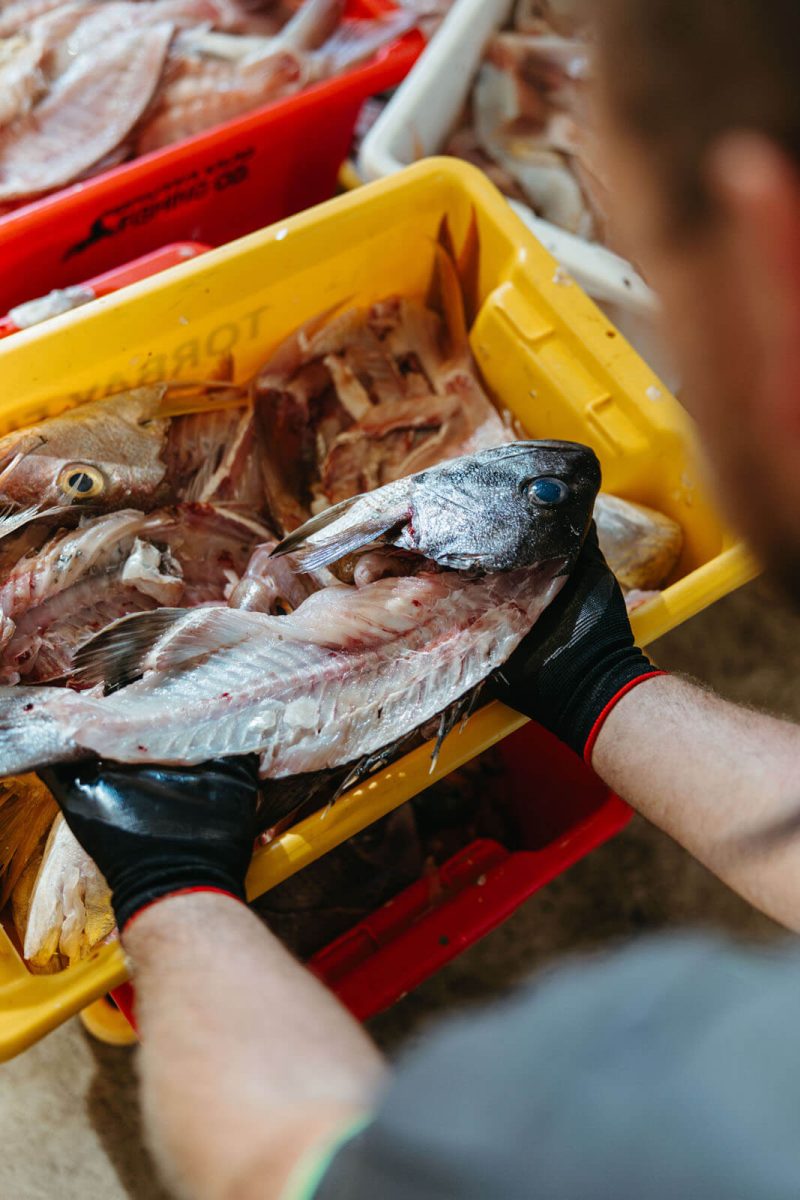
Problems Addressed by Carbon Earth Technology
High Disposal Costs
Hauling and disposing of seafood waste, with its high water content, incurs substantial fees for transportation and landfill or incineration services, straining operational budgets.
Environmental Impact
Landfilling organic waste generates methane, a potent greenhouse gas, while incineration contributes to air pollution and carbon emissions, conflicting with global sustainability goals.
Regulatory Compliance
Stringent environmental regulations increasingly restrict traditional disposal methods, exposing processors to fines and reputational risks if sustainable alternatives are not adopted.
Odor and Hygiene Challenges
Decomposing seafood waste produces strong odors and attracts pests, creating operational and community relations issues, particularly for facilities near urban areas.
Lost Resource Potential
Discarding nutrient-rich waste like fish bones and shellfish shells wastes valuable components such as nitrogen, phosphorus, and calcium, which could be repurposed for agricultural use.
Carbon Earth Technology Features
Carbon Earth’s technology is uniquely suited to address these challenges through the following features:
Rapid Processing
Utilizing the technology, Carbon Earth converts seafood waste into nutrient-rich fertilizer in just 24 hours, far faster than traditional composting or anaerobic digestion methods.
Versatile Waste Handling
The system efficiently processes most types of seafood waste, including whole or discarded crabs, lobsters, fish, oysters (including shell), mussels, abalone, and shrimp, as well as processing byproducts and scraps.
Odor Control
Enclosed solutions with integrated biofilters minimize odors, ensuring compliance with hygiene standards and improving workplace and community environments.
Nutrient-Rich Output
The process produces high-quality, nutrient-dense fertilizer with balanced nitrogen, phosphorus, and potassium (NPK) profiles, suitable for agricultural and horticultural applications.
Pathogen Elimination
High-temperature technology eliminates pathogens, offering a way to prepare safe, market-ready fertilizer products.
Scalable and Efficient
Carbon Earth systems are adaptable to various facility sizes, from small processors to large industrial plants, with energy-efficient operations that reduce processing costs.
Benefits Delivered to the Seafood Industry
Cost Reduction
By processing waste on-site or near-site, Carbon Earth eliminates or significantly reduces haulage and disposal fees, potentially cutting waste management costs by up to 50%, depending on scale.
Revenue Generation
The fertilizer produced is a marketable product, creating a new income stream by supplying agriculture, horticulture, or organic farming markets with high-demand, nutrient-rich products.
Environmental Sustainability
Diverting waste from landfills and incinerators reduces methane emissions and pollution, supporting a circular economy and aligning with global sustainability goals.
Regulatory Compliance
Carbon Earth supports adherence to strict environmental regulations, helping reduce the risk of fines and enhancing corporate reputation as a sustainable operator.
Operational Improvements: Odor control and pathogen elimination create cleaner, safer processing environments, improving worker conditions and community relations, especially for facilities in populated areas.
Operational Improvements
Odor control and pathogen elimination create cleaner, safer processing environments, improving worker conditions and community relations, especially for facilities in populated areas.
Market Differentiation
By adopting Carbon Earth technology, processors can position themselves as eco-friendly leaders, appealing to environmentally conscious customers, partners, and regulators in the seafood supply chain.
Industry-Specific Applications
Efficiently handles fish heads, bones, and offal from species like salmon or cod, converting them into fertilizer suitable for broad agricultural use.
Processes shrimp, crab, oyster, mussel, and abalone shells, extracting calcium-rich components for specialized fertilizer blends that meet organic farming standards.
Helps manager organic residues and sludge from fish farms, transforming waste into a valuable resource for land-based agriculture.
Carbon Earth invites seafood processors to explore the transformative potential of Carbon Earth’s technology. By integrating this innovative solution, processors can achieve zero-waste operations, reduce costs, and create high-value products from waste.
Contact Carbon Earth for a site assessment or pilot program to evaluate how Carbon Earth can integrate with your facility’s waste stream and deliver rapid return on investment. Embrace a sustainable future, turning waste into opportunity with Carbon Earth.