

Revolutionizing Beef Waste Management with Proven Technology
Carbon Earth’s innovative organic waste processing solutions address specific challenges faced by the beef industry. Designed for primary producers and producer groups seeking cost-effective and sustainable organic waste management, our solutions handle a range of waste types. Carbon Earth brings key insights gained from experience operating this mature technology over many years.
Beef Industry Waste: What We Can Process
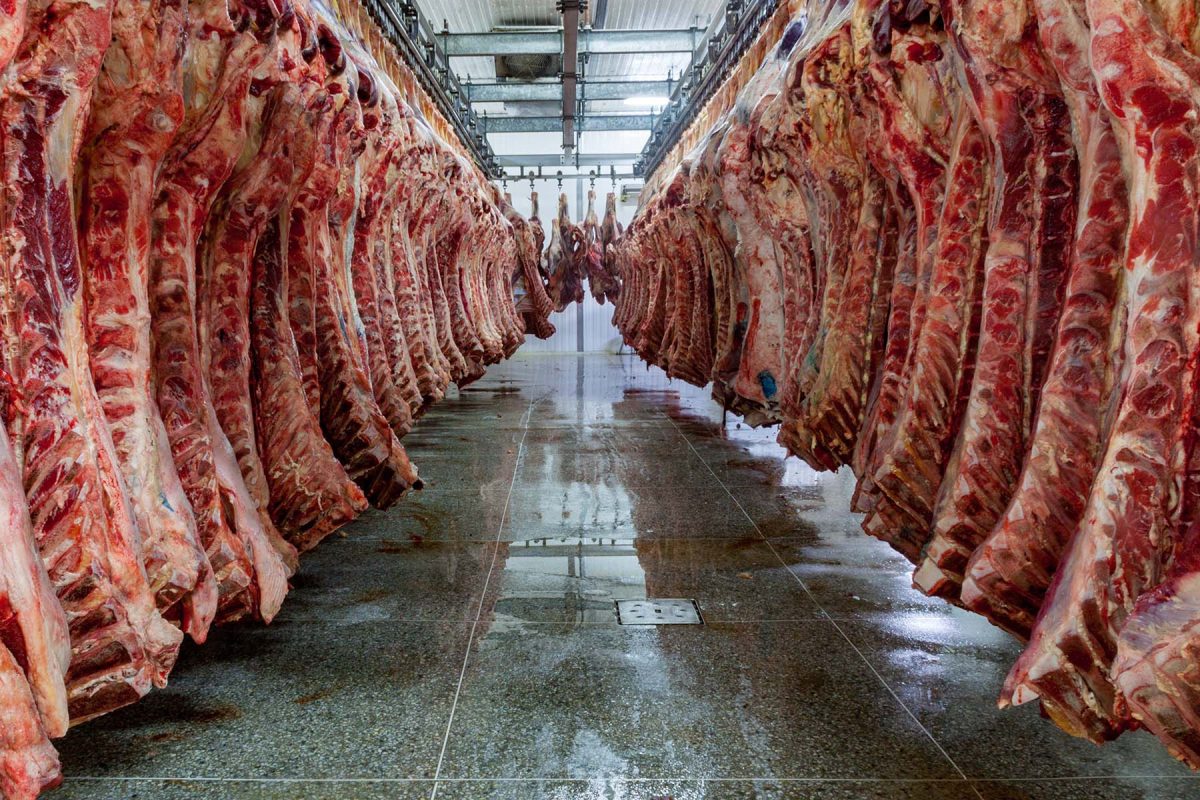
The beef industry generates significant organic waste, primarily from abattoirs. Our technology effectively processes the following organic waste types:
The organic material from cow intestines, known as the gut bag, is a major waste stream. Our technology breaks down this material efficiently within 24 hours, converting it into nutrient-rich fertilizer.
Bones are a challenging waste product due to their durability. While traditional windrow composting fails to break them down, causing equipment damage (e.g., tire punctures from bone fragments), Carbon Earth’s solution involves shredding bones into smaller particles before feeding them into the machine. This ensures complete processing, transforming bones into usable fertilizer components.
Industry Challenges and Our Solutions
The beef industry faces several organic waste management issues, which Carbon Earth’s technology helps address:
Regulatory and Environmental Pressures
Increasing regulations, particularly in Western Australia due to the live export ban, mean more meat is processed locally, leading to a surge in abattoir waste. Our technology provides an environmentally responsible alternative to traditional methods, reducing landfill use and greenhouse gas emissions from decomposing organic waste.
Cost of Organic Waste Processing
Current practices, such as sending bones to specialized facilities for grinding and cooking into meat meal or blood and bone fertilizer, are costly. Our onsite technology streamlines this process, reducing transportation and processing expenses.
Equipment Damage from Composting
Windrow composting leaves bones intact, causing significant equipment damage (e.g., tire punctures) when compost is spread on fields. By shredding and digesting bones, our technology eliminates this issue, saving producers on equipment upgrades and repairs.
What We’ve Learned
Through trials and deployments, Carbon Earth has gained valuable insights into managing beef industry waste:
Efficient Bone Processing
Shredding bones beforehand is critical for complete breakdown. This process ensures no residual bones remain, preventing equipment damage and enhancing fertilizer quality.
Scalability for Increased Organic Waste Volumes
The live export ban has increased local abattoir waste in Western Australia. Our solutions are scalable and designed to handle varying waste volumes, making them ideal for both small and large operations.
Circular Economy Benefits
Processed beef waste becomes high-quality fertilizer, which can be used in horticulture and agriculture, creating a closed-loop system that reduces waste and supports sustainable farming practices.
Why Choose Carbon Earth?
Our technology offers beef producers a sustainable, cost-effective solution to manage abattoir waste. By converting gut bags and bones into valuable carbon-rich natural fertilizer, we help reduce costs, comply with regulations, and contribute to a circular economy. Our technology minimizes environmental impact and eliminates the challenges of traditional composting, ensuring your operation remains efficient and sustainable.
Contact Carbon Earth to learn how our solutions can reduce costs and enhance sustainability for your operation.
